Parasites in cod and cod condition
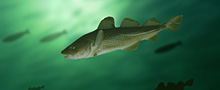
Scientists at the Swedish University of Agricultural Sciences (SLU) will evaluate the importance of parasites in cod condition and survival.
Pike wetland – Do they have any importance for the Baltic Sea coastal area?
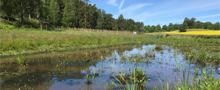
One way of strengthening stocks is to construct so-called pike wetlands, but is this having any noticeable effect? Supported by BalticSea2020, this project will investigate whether pike wetlands are increasing stocks along the Baltic Sea coast.
Read more: Pike wetland – Do they have any importance for the Baltic Sea coastal area?
Mitigating eutrophication effects by use of bio-manipulation
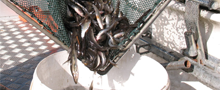
Is it possible to decrease the effects of eutrophication by a release of predatory fish in a sea area?
Read more: Mitigating eutrophication effects by use of bio-manipulation
Save the Baltic Sea Cod – protect coastal fisheries

BalticSea2020 is now launching a project to strengthen cod stocks, including a recommendation for a permanent ban on trawling for cod.
Read more: Save the Baltic Sea Cod – protect coastal fisheries
Facilitating fisheries governance in the Baltic by creating a national stakeholder platform in Poland

Network of stakeholders for a national consensus in fisheries issues
Tagging project to map the cods’ growth

International project that will examine the growth of eastern Baltic Sea cod.
Pilot project: Collecting Ghost nets

Abandoned or lost fishing gear, so called ghost nets, keep catching fish and mammals
Trawling for Sticklebacks in the Gulf of Bothnia

After a successful outcome of the project “Wetland restoration for viable predatory fish stocks” with a focus on pike, The Swedish Anglers Association initiates a project on the coastal populations of perch.
The Cod Project 2009

Advocacy activities to make sure the management plan would be followed
Cod in the Åland Sea

In the project Cod in the Åland Sea, the Swedish University of Agricultural Sciences (SLU) will work on a genetic study to clarify whether the cod in the Åland Sea is different from other cod stocks in the Baltic Sea.
Best practice of fisheries management
Learning from other marine areas and applying it to the Baltic Sea context
Restoration efforts with perch in focus

After a successful outcome of the project “Wetland restoration for viable predatory fish stocks” with a focus on pike, The Swedish Anglers Association initiates a project on the coastal populations of perch.
Facilitating governance among Baltic Sea fisheries stakeholders

Analysis of the Baltic Sea Regional Advisory Council
Read more: Facilitating governance among Baltic Sea fisheries stakeholders
Towards length-optimised fishing in the Baltic Sea

A project to develop sustainable cod fishing practices in the Baltic Sea, with the aim of improving the cod’s average size.
Read more: Towards length-optimised fishing in the Baltic Sea
Total marine fisheries extractions by country in the Baltic Sea: 1950-present
Complete data of fish extractions
Read more: Total marine fisheries extractions by country in the Baltic Sea: 1950-present
The CFP Reform program
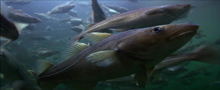
During 2012, the EU decided on new fisheries legislation. BalticSea2020 is working intensively to contribute towards a sustainable common fisheries policy.
Big Fish Back – a risk analysis
Recreation of an ecosystem dominated by large predatory fishes
One hundred years of fish growth – a call from the archives

In recent times, both the growth and the condition of cod have deteriorated. What are the risks of diminishing fish growth and how have the growthpatterns of various fish species looked like over time?
Read more: One hundred years of fish growth – a call from the archives
Achieving an ecosystem approach to fisheries management in the Baltic Sea
Individual states possibilities to develop the fisheries management
Read more: Achieving an ecosystem approach to fisheries management in the Baltic Sea
Collecting ghost nets in the Baltic Sea - part 2

After successful results of the pilot project carried out by WWF Poland with the support of Baltic Sea 2020 in 2011, collecting ghost nets in the Baltic Sea continues.
Fisheries management: Royal Colloquium

Workshop on the ecological effects of fish and fisheries
Voices from the Baltic Sea talk about the CFP regulation
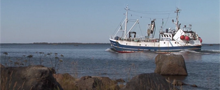
See our interviews with people from several Baltic Sea countries and hear their opinions about the CFP Reform.
Read more: Voices from the Baltic Sea talk about the CFP regulation
The Baltic Sea fish stocks and fisheries in their ecosystem context – an international workshop
Workshop on the potential to combat eutrophication through management of fish stocks and fisheries
The establishment of a Marine Stewardship Council in the Baltic region

Certified fish is making it easier for consumers to buy sustainbly
Read more: The establishment of a Marine Stewardship Council in the Baltic region
Resource management in the Baltic Sea – an international workshop
A workshop on how to increase sustainability
Read more: Resource management in the Baltic Sea – an international workshop
The establishment of a Marine Stewardship Council in the Baltic region II

The certification of fish and fish can easily show consumers which fish that are legally caught, of sustainable and well-managed stocks. Now MSC has developed its activity around the Baltic Sea with focus on Poland.
Read more: The establishment of a Marine Stewardship Council in the Baltic region II
Sustainable Cod fishery management
Advocacy activities to reach sustainable fishery management
Wetland restoration for viable predatory fish stocks

Is it possible to strengthen the predatory fish stocks by restoring their reproduction areas?
Read more: Wetland restoration for viable predatory fish stocks
Parasites in cod and cod condition

Scientists at the Swedish University of Agricultural Sciences (SLU) will evaluate the importance of parasites in cod condition and survival.
Pike wetland – Do they have any importance for the Baltic Sea coastal area?

One way of strengthening stocks is to construct so-called pike wetlands, but is this having any noticeable effect? Supported by BalticSea2020, this project will investigate whether pike wetlands are increasing stocks along the Baltic Sea coast.
Read more: Pike wetland – Do they have any importance for the Baltic Sea coastal area?
Tagging project to map the cods’ growth
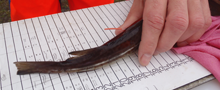
International project that will examine the growth of eastern Baltic Sea cod.
Save the Baltic Sea Cod – protect coastal fisheries
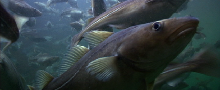
BalticSea2020 is now launching a project to strengthen cod stocks, including a recommendation for a permanent ban on trawling for cod.
Read more: Save the Baltic Sea Cod – protect coastal fisheries
Trawling for Sticklebacks in the Gulf of Bothnia
After a successful outcome of the project “Wetland restoration for viable predatory fish stocks” with a focus on pike, The Swedish Anglers Association initiates a project on the coastal populations of perch.
Read more...

Read more...

Documentaries and films about the Baltic Sea